Claustrophobia: The Fear of Enclosed Spaces

By: Jennifer Dubose

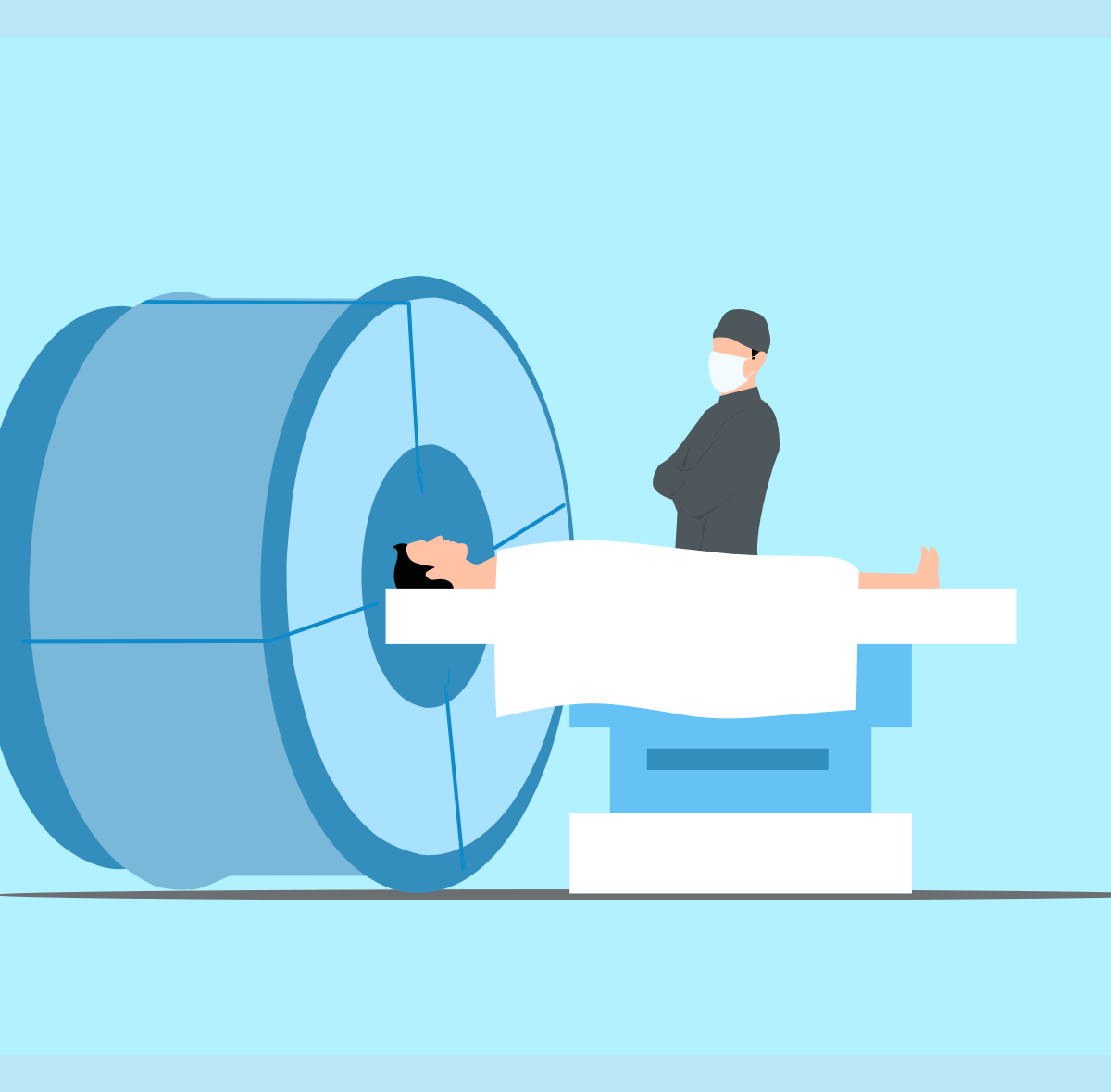
Illustration of a patient entering an MRI machine

What Is Claustrophobia?

Claustrophobia (pronounced [klaw-struh-FOH-bee-uh]) is the fear of enclosed or confined spaces. The word combines the Latin claustrum, meaning “a shut-in place,” with the Greek phobos, meaning “fear.” For someone with claustrophobia, spaces most people barely think twice about — a crowded elevator, a small closet, an MRI machine, even a car stuck in traffic — can trigger intense anxiety or a full panic attack. Claustrophobia is classified as a specific phobia, one of the most common categories of anxiety disorder, and as with most phobias, the fear is usually far out of proportion to the actual danger the space presents.

Statistics

Researchers estimate that somewhere between 2 and 10 percent of people experience claustrophobia strongly enough to interfere with daily life, and many more feel uneasy in tight or crowded spaces without ever being formally diagnosed. Specific phobias are among the most common mental health conditions in the world, and fear of enclosed spaces is consistently one of the most frequently reported.

Why Are People Afraid of Enclosed Spaces?

A Fear Rooted in Survival

Some researchers believe claustrophobia has roots in a basic survival instinct. Being trapped and unable to move freely or escape would have posed a real threat to early humans, whether from predators, cave-ins, or suffocation. A heightened sensitivity to confinement may be a holdover from that evolutionary wiring, even though a modern elevator or MRI machine poses no actual danger.

Traumatic Experiences

For many people, claustrophobia traces back to a specific incident: getting stuck in an elevator, being locked in a closet as a child, being trapped in a car after an accident, or spending time in a small, confining medical device. A frightening or painful experience involving confinement doesn’t have to happen more than once for the brain to file “small spaces” under “danger.”

Learned or Conditioned Responses

Fear can also be learned simply by watching someone else experience it. A child who repeatedly sees a parent grow anxious in tunnels, tight hallways, or crowded rooms may absorb that same response, even without ever having a frightening experience of their own.

Symptoms

Claustrophobia symptoms typically appear as soon as a person enters — or even imagines entering — a confined space. Common symptoms include:

  • Rapid heartbeat or heart palpitations
  • Sweating, trembling, or chills
  • Shortness of breath or a feeling of being smothered
  • Dizziness, lightheadedness, or nausea
  • A strong urge to escape or find the nearest exit
  • Chest tightness
  • Feeling disoriented or detached from your surroundings
  • Fear of fainting or losing control

In severe cases, these symptoms can escalate into a full panic attack, which can feel frightening enough on its own to reinforce the original fear of whatever space triggered it.

Claustrophobia in Everyday Life

Elevators and Small Rooms

Elevators are one of the most commonly reported triggers, combining a small footprint with the sense — however untrue — of being unable to get out. Windowless rooms, small closets, and cramped storage spaces tend to bring on the same reaction.

MRI Machines and Medical Scans

MRI machines are notorious among people with claustrophobia. The combination of a narrow tube, loud repetitive noise, and having to lie still for 30 minutes or longer is enough to make even people without a diagnosed phobia feel uneasy. Many imaging centers now offer open MRI machines or mild sedation specifically to accommodate patients who struggle with the enclosed design of a traditional scanner.

Notable Rescues in the News

Real-life stories about people trapped in confined spaces tend to capture public attention. The 2018 rescue of a youth soccer team trapped for more than two weeks in a flooded cave system in Thailand is one of the most widely covered examples in recent memory, drawing global attention to just how frightening — and survivable — being trapped can be.

Overcome Your Fear of Claustrophobia

Self-Help Techniques

Many people find relief from mild claustrophobia through simple, consistent self-help strategies:

  • Practice slow, deep breathing before and during exposure to a triggering space
  • Use grounding techniques, such as naming five things you can see and four things you can hear, to stay present
  • Gradually expose yourself to small spaces in short, manageable increments, working up toward longer or more confined situations
  • Bring a trusted friend or family member along during triggering situations, such as an MRI appointment
  • Ask about accommodations in advance, like an open MRI machine or a seat near a window or exit

Professional Treatment

When claustrophobia starts disrupting work, travel, or medical care, professional treatment can help. Cognitive behavioral therapy (CBT) and exposure therapy are considered the most effective approaches, helping people gradually and safely confront their fear while learning to manage the physical symptoms of panic. A counselor can also help determine whether an underlying condition, such as panic disorder, is contributing to the fear. Support is available locally or through online therapy.

Disclosure: Some of the links in this post may be affiliate links, meaning we will receive compensation, at no extra cost to you, if you choose to make a purchase of a recommended product or service. We are independently owned and vet our partners thoroughly.

Related post links: Enochlophobia (fear of crowds), Aviophobia (fear of flying)

White Coat Syndrome

By: Jennifer Dubose (Updated: 5/28/23)

white-coat-syndrome

What is White Coat Syndrome, aka White Coat Hypertension?

White coat syndrome is a condition in which a person maintains normal blood pressure at home, but shows elevated blood pressure at the doctor’s office — also called white coat hypertension. The ICD-10 code is R03.0. It’s closely related to iatrophobia, the fear of doctors.

What Causes White Coat Syndrome?

Early Signs of Future Problems

The Mayo Clinic argues white coat hypertension can be an early sign of cardiovascular risk. Other research suggests age plays a bigger role than the syndrome itself — blood vessels naturally narrow with age, making high blood pressure (including white-coat episodes) more pronounced in older patients.

Anxiety Driven

Experts agree anxiety can drive up blood pressure — the discomfort of the cuff, or fear of what the reading will show, can be enough to spike it. People with generalized anxiety outside the doctor’s office are more likely to experience this too. Therapy (in-person or online) for anxiety is a relevant option here.

True Phobia

A study in the American Journal of Hypertension explored whether white coat hypertension is fundamentally a fear of having blood pressure checked — with some evidence the effect extends beyond the doctor’s office to home readings as well.

Understanding High Blood Pressure

  • Systolic Pressure: blood pressure exerted against vessel walls when the heart beats.
  • Diastolic Pressure: blood pressure exerted against vessel walls when the heart rests between beats.
  • High Blood Pressure: healthy vessels are flexible; when vessels narrow or stiffen (age, disease, diet), the heart has to work harder, raising blood pressure.

Is White Coat Syndrome Dangerous?

It can be — patients with high readings at the doctor’s office often also run high in other stressful situations, per cardiologist Dr. Randall Zusman (Massachusetts General Hospital, via a Harvard resource on white coat hypertension).

Diagnosis: White Coat Syndrome vs. Hypertension

Per an American Heart Association study, at least three days’ worth of high blood pressure readings are typically needed to diagnose true hypertension. Doctors often ask patients to use a home blood pressure monitor, or a wearable ambulatory monitor over a 24-hour period, to distinguish office-only spikes (white coat syndrome) from ongoing hypertension.

Treatment — 5 Steps to Overcoming White Coat Syndrome

  1. Seek awareness — recognizing you have an abnormal response to something routine is the first step, and it’s a common experience.
  2. Exposure therapy — buy an inexpensive home blood pressure cuff, familiarize yourself with how it feels and operates, and practice at home before trying it at the doctor’s office.
  3. Meditation and breathing techniques — deep breaths while waiting, a phone game as distraction, or picturing a relaxing scene; remind yourself the discomfort is brief.
  4. Make healthy lifestyle changes — a balanced diet (watching salt intake), regular exercise, and avoiding tobacco can meaningfully affect blood pressure.
  5. Access professional help — anxiety, depression, or other mental health conditions can underlie white coat syndrome; a counselor (in-person or online) can help address the root cause.

Pro tip: If your fear is more specifically about doctors themselves, see the related article on Iatrophobia.

Related post link: Trypanophobia (fear of needles)

Disclosure: We independently evaluate all products and services we recommend. If you click on links we provide, we may receive compensation at no extra cost to you.

Trypanophobia: The Fear of Needles

By: Jennifer Dubose

44-trypanophobia

What Is Trypanophobia?

Trypanophobia (pronounced [try-pan-oh-fo-bee-ah]) is the fear of needles, having your blood drawn, getting an injection or shot — basically, any procedure involving a needle. Also referred to as Belonephobia, and related to iatrophobia and dentophobia. Falls under Other Specified Phobia (F40.298) or Other Situational Type Phobia (F40.248) in the DSM-V.

Statistics

  • In a study of 1,024 children and 883 adults, 24% of adults and 63% of children reported a fear of needles.
  • 7% of parents and 8% of children in the same study were so afraid of needles they wouldn’t get vaccinations.
  • Over 12 billion vaccinations are given annually worldwide.
  • For each US birth cohort receiving recommended childhood immunizations, around 20 million illnesses and more than 40,000 deaths are prevented.
  • Fear of needles and injections typically affects women more than men.

Why Are You Afraid of Needles?

Vasovagal Syncope

Vasovagal Syncope (pronounced [vay-zoh-vay-gul sing-kuh-pee]) happens when exposure to a trigger like a needle causes heart rate and blood pressure to drop suddenly as leg vessels dilate and pool with blood — reducing blood flow to the brain and causing dizziness or fainting. This can run in families — a 2014 study found 26% of first-degree relatives were affected.

Conditioned Response

A situational or traumatic experience — a distressing or embarrassing reaction to a needle, or too many painful shots given to a child in one sitting (e.g. the CDC-recommended 4 shots plus flu vaccine for ages 4–6) — can lead to a lasting fear of needles.

Symptoms

Unlike many phobias, trypanophobia carries a risk of fainting and physical harm. Other symptoms:

  • Nervousness and avoidance behaviors
  • Lightheadedness
  • Nausea
  • Feeling like you’re about to overheat
  • A cold sweat
  • Panic attack

Overcome Your Fear of Needles: Self-Help

Exposure Therapy

  • At your next doctor visit, ask to become familiar with the needles and procedures used — understanding what to expect reduces fear of the unknown.
  • Schedule a low-stakes visit (like an annual flu shot) and let the nurse know you’re working on overcoming your fear — medical professionals are trained to be patient with this.
  • If that feels like too much, start at home: research the efficacy of vaccines, look at photos of needles, and understand why they matter.
  • For children due for vaccinations, space out appointments rather than giving all shots in one sitting, reducing pain and the chance of a lasting fear developing.

Applied Tension Technique

For those who experience vasovagal episodes: sit comfortably and tense your body’s muscles for 15 seconds (you should feel warmth in your face from the blood pressure increase), then relax. Repeat about 5 times daily for a week. During an actual shot or blood draw, use this technique while keeping the arm receiving the needle relaxed — the elevated blood pressure helps prevent fainting.

Professional Treatment

For more in-depth treatment, counseling can provide a personalized plan and one-on-one tools — available locally or through online therapy (BetterHelp review linked).

Disclosure: We independently evaluate all products and services we recommend. If you click on links we provide, we may receive compensation at no extra cost to you.

Tomophobia: The Fear of Surgery

By: Lisa Gabriel

43-tomophobia

What is Tomophobia [The Fear of Surgery]?

Many people experience concern and fear around medical procedures. For a minority, that fear becomes so irrational and overwhelming that it causes harmful psychological and physical effects disrupting everyday life — tomophobia, the intense fear of surgery or surgical procedures.

Symptoms of Tomophobia

Tomophobia is a rare diagnosis, usually categorized as a “specific” phobia (anxiety triggered by a specific event, like surgery), and can encompass related fears like needles or doctors. For those diagnosed, just the thought of a procedure can trigger fear severe enough to keep them from having it done at all — which can itself cause more harm than the procedure. Common symptoms:

  • Avoidance
  • Debilitating panic attacks
  • Elevated heart rate
  • Shortness of breath
  • Tightening of the chest
  • Sweating
  • Trembling

If this level of fear threatens well-being, a professional evaluation is worthwhile — a licensed therapist can help determine whether it’s a true diagnosis versus a general, more manageable fear.

What Causes Tomophobia?

A History of Previous Poor Experiences

A bad past experience (e.g., a rough childhood tonsillectomy) can make future procedures feel similarly threatening. Hearing others’ horror stories, or finding them online, can reinforce the fear.

The Procedure Itself

Most patients don’t have enough medical background to fully understand what a procedure involves, so imagination fills the gaps — but the reverse can also be true: too much information (or the wrong kind) can heighten anxiety rather than ease it.

The Doctor and Hospital

Surgery means putting your life in the hands of people you may barely know, in a clinical environment many find unsettling, while giving up control — sedation, machines, masked strangers — during the procedure itself. This is more intense for people who already have a general fear of doctors or needles.

3 Strategies to Overcome Tomophobia

First, talk to your general practitioner about whether your fear rises to the level of tomophobia versus a rational fear of the unknown.

Turn Your Fear into a Challenge to Overcome

Talk to your surgeon about specific concerns — trust in the doctor and procedure can reduce anxiety. Talking to others who’ve had the same procedure can offer helpful perspective. Meeting with your anesthesiologist ahead of time to discuss your fears directly can also help, since managing your anxiety (and related high blood pressure) is part of their job.

Meditation, Yoga and Calmness

Mindfulness meditation and yoga redirect focus toward breathing and physical presence rather than fear, both useful tools in managing tomophobia-related anxiety.

Advanced Treatment Options

  • Cognitive Behavioral Therapy (CBT) with a licensed therapist to identify which parts of the surgery process cause anxiety and work through those feelings.
  • Exposure Therapy — starting with photos and working up to videos of actual surgeries to build tolerance to the specific triggers.
  • Medication, discussed with a licensed mental health practitioner or doctor, if other methods aren’t sufficient — online therapy is also an option.

Disclosure: We independently evaluate all products and services we recommend. If you click on links we provide, we may receive compensation at no extra cost to you.

Somniphobia: The Fear of Sleep

By: Jennifer Dubose

42-somniphobia

What is Somniphobia?

Somniphobia (pronounced [sohm-neh-fo-bee-ah]) is defined as an irrational or abnormal fear of sleep. You lie in bed, tossing and turning, unable to shut off your racing mind — or you fall asleep but can’t stay asleep, and find yourself awake all hours of the night. The anxiety related to sleep is so consuming that you spend your days exhausted.

Several diagnoses can affect sleep, including depression, anxiety, and PTSD. A couple most directly impact sleep itself — sleepwalking (F51.3) and sleep terrors (F51.4). Sleep Apnea, while not a mental health diagnosis, can also seriously affect sleep quality.

Sleep Statistics

  • CDC research shows 50–70 million adults have a sleep disorder.
  • According to the American Sleep Association, 30% of adults have dealt with insomnia.
  • 3–7% of men and 2–5% of women suffer from sleep apnea — roughly 25 million adults in the US (American Academy of Sleep Medicine).

Why is Sleep Important?

Sleep is essential to life — the longest recorded time a human has lived without sleep was 11 days. During sleep the body is believed to repair neurons, build networks, increase cell production and protein creation, and support brain development. Sleep is closely tied to memory and cognitive functioning.

Why Are You Afraid to Sleep?

Physiological Reasons

Restless Leg Syndrome (RLS) — An irresistible urge to move one’s legs when trying to sleep, often described as a burning, tingling, or creeping sensation relieved only temporarily by movement. For primary RLS, there’s no known cause, but the physical response delays or prevents sleep.

Sleepwalking — Occurs during deep sleep, typically before REM. Can range from harmless (walking a short distance and returning to bed) to genuinely dangerous (falling, leaving the home, or otherwise being at risk while unconscious of it).

Sleep Apnea — The upper airway becomes repeatedly blocked during sleep, reducing or stopping airflow (obstructive), or the brain fails to send breathing signals (central) — meaning breathing literally stops for periods during sleep. CPAP machines are a common medical treatment.

Death — Fear of death (Thanataphobia) is closely related to Somniphobia; death is sometimes called “the big sleep.” Losing a loved one to Sudden Infant Death Syndrome (SIDS) or a death during sleep can create deep anxiety around sleep itself.

Psychological Reasons

Depression & Anxiety — Racing thoughts about the day’s events or worries can keep you lying awake, which in turn creates worry about not getting enough sleep — a self-perpetuating cycle.

Trauma — A past traumatic event (the original author describes losing her family’s home to a lightning strike at age 9) can resurface in the quiet of bedtime, sometimes developing into recurring nightmares.

Night Terrors/Nightmares — Sleep Terrors involve appearing awake and in visible fear (screaming, lashing out) early in the sleep cycle, with little to no memory afterward upon waking; these can occur alongside sleepwalking. Nightmares are far more common and can also create a fear of falling asleep.

Somniphobia Symptoms

  • The inability to fall asleep when you go to bed
  • The inability to stay asleep
  • Excessive sleepiness during the day at work or school
  • Inability to focus or complete a task
  • Memory loss, short or long-term
  • Severe mood swings or an inability to regulate emotions
  • Lack of interest in things you normally enjoy

How to Overcome Your Fear of Sleep

  1. Identify the source of your fear — this is the essential first step to treating it.
  2. Basic sleep hygiene:
  3. Go to bed and get up at the same time every day to align with your circadian rhythm.
  4. Don’t use your bed for TV/zoning out — keep it associated primarily with sleep.
  5. If you can’t fall asleep within 10 minutes, get up and read or sit elsewhere until sleepy (American Sleep Association tip).
  6. Avoid caffeine within 4–6 hours of bedtime, and evaluate whether you need it at all.
  7. Do something relaxing before bed to enter a calm state of mind.
  8. Avoid naps — they can make it harder to get a full night’s sleep.
  9. Seek medical treatment for physiological causes (sleep apnea, RLS, etc.) — a sleep study can help pinpoint the exact issue.
  10. Process grief or trauma if fear of death or loss underlies the sleep anxiety — talking to a friend or professional can help.
  11. Consider therapy (in-person or online) such as cognitive behavioral therapy for psychological causes.

Disclosure: Some of the links in this post may be affiliate links, meaning we will receive compensation, at no extra cost to you, if you choose to make a purchase of a recommended product or service. We are independently owned and vet our partners thoroughly.

Ophidiophobia: The Fear of Snakes

By: Jennifer Dubose, BA, Psychology

Nervous Girl Holds Snake

Ophidiophobia: The Fear of Snakes

Cobras, pythons, and boa constrictors are all snakes with the power to be lethal. There are also snakes that are harmless to humans, such as garter snakes. However, no snake is harmless for those suffering from ophidiophobia—just a glimpse of any snake can elicit sheer terror.

Ophidiophobia (pronounced [Oh-fid-ee-oh foh-bee-uh]) can be defined as the abnormal or irrational fear of snakes. Though not specifically designated in the DSM-V, Ophidiophobia is usually grouped under diagnosis F40.218—Other Animal Type Phobia.

Statistics

  • According to YouGov, 64% of American adults are afraid of snakes, and 32% fall into the “very afraid” category.
  • YouGov also noted that 79% of adults 65 and older were afraid of snakes.
  • A Gallup Poll showed that 62% of the women in their study were afraid of snakes compared to only 38% of men.

Why are People Afraid of Snakes?

An Innate Fear of Snakes

The Max Planck Institute in Germany hypothesized that we are born with an innate fear of snakes, showing that a baby’s eyes dilate more at the sight of snakes versus something more tranquil, like a flower — dilation being associated with stress.

However, not all experts agree — a Rutgers University study had infants under a year old watch videos of snakes paired with either a scary voice or a happy one. The infants paid more attention to the snakes with the fearful voice but did not show accelerated heart rates when startled — suggesting interest rather than fear. This interest, combined with an innate ability to quickly sense a snake’s movement, could be the real factor behind the fear response.

Conditioned to be Afraid

A child’s curiosity and a snake’s defensive strike (a hiss or a bite) can create a single, powerful negative association. Growing up in a region with lethal snakes, and watching parents react with fear, can also teach a learned fear response.

Symptoms

  • The inability to participate in outdoor activities for fear of coming across a snake
  • The inability to enter a pet store or zoo for fear of seeing a snake
  • Intense fear and dread simply from coming across a photo of a snake, or seeing one in a movie
  • Physical symptoms such as increased heart rate, shortness of breath, sweating, nausea and vomiting, and full-blown panic attacks

Snakes in the Movies

Snakes are usually portrayed in movies as terrifying and dangerous creatures, even in children’s movies like The Jungle Book. Other examples: Indiana Jones (young Jones falls into a train car full of snakes), Snakes on a Plane, Anaconda, and Python.

Snakes in the News

  • In October 2017 in Indonesia, a giant python (over 25 feet) nearly bit off the arm of a security guard trying to remove it from a roadway; it was captured and killed.
  • A 19-year-old snake wrangler in Australia was bitten by his pet Inland Taipan, one of the most venomous snakes in the world, and hospitalized in serious condition.
  • A man in North Carolina accidentally disturbed mating Copperhead snakes and was bitten repeatedly.

Ophidiophobia Treatment

Basic Treatment

  1. Do your research: learn which snakes in your area may be hazardous, what they look like, their temperament, and where they’re found — and also learn about the harmless ones you don’t need to fear.
  2. Learn first aid so you’re armed with the knowledge of how to treat a bite if it happens; most snake bites are treatable with modern medicine.
  3. Expose yourself gradually to harmless snakes — photos first, then enclosed viewing at a pet store or zoo exhibit.
  4. Some zoos offer supervised interactive programs where you can touch or hold a snake under professional guidance, working up to the object of your fear.

Advanced Treatment

For more advanced treatment, counseling is the best option for personalized care — search online for a qualified professional, or consider online therapy (BetterHelp review linked) if you prefer to meet from home.

Disclaimer: dangerous and venomous snakes exist worldwide, and it’s very rare to be bitten. A healthy respect for snakes and giving them space is recommended — this article addresses an unhealthy, abnormal fear of snakes.

Disclosure: Some of the links in this post may be affiliate links, meaning we will receive compensation, at no extra cost to you, if you choose to make a purchase of a recommended product or service. We are independently owned and vet our partners thoroughly.

Related post links: Astraphobia (fear of lightning), Overcome Aviophobia (fear of flying), Gamophobia (fear of commitment)

Mysophobia: The Fear of Germs

By: Jennifer Dubose

40-mysophobia

What is Mysophobia [The Fear of Germs]?

Mysophobia (pronounced [mee-soh-fo-bee-ah]) is a fear of germs, being infected by a pathogen, or becoming contaminated or unclean. Also referred to as Germophobia, Bacillophobia, or Bacteriophobia. In the DSM-5 it’s often classified under “Specific Phobia” (300.29), requiring at least 3 of: duration of 6+ months, an excessive reaction, an immediate anxiety response to a trigger, extreme avoidance, and impaired ability to function.

Are You a Germaphobe? Symptoms

  • Feeling compelled to wash hands repeatedly and excessively
  • Meticulous, immaculate, repeated cleaning of the surrounding environment
  • Inability to shake hands, hug, or otherwise engage in physical contact
  • Avoidance of heavily populated public places; refusal to leave home
  • Refusal to go anywhere germs may be prevalent — including a clinic or hospital for necessary medical attention
  • Inability to focus on tasks due to overwhelming thoughts about germs

What Causes Mysophobia?

Dealing with Illness

A history of illness tied to a virus, bacteria, or fungus — or conditions like severe allergies, immune disease, or bone marrow/organ transplants requiring strict avoidance of germs — can leave someone obsessed with protecting themselves at all costs, which can develop into a phobia.

Misunderstanding Microbes

The human body contains trillions of microorganisms (the “Human Microbiome”), outnumbering human cells roughly 10 to 1. Many of these microbes are essential — helping digest food, producing vitamins we can’t make ourselves, training the immune system to recognize dangerous invaders, and producing anti-inflammatory compounds. A lack of understanding of this symbiotic relationship is one reason fear develops.

The Coronavirus: How Global Pandemics Impact Us

Global pandemics like COVID-19 amplify germ-related fear broadly, as viruses are difficult to treat and constantly mutate. (See self-help section below for coping strategies.)

The Connection Between Mysophobia and OCD

The DSM-5 ties OCD to recurrent, intrusive, unwanted thoughts causing marked anxiety. According to the Anxiety and Depression Association of America, 19 million adults (8.7% of the US population) deal with a specific phobia, often associated with OCD, anxiety disorders, and PTSD. Women are affected twice as often as men, with average onset around age 7.

Notable examples in pop culture: TV detective Adrian Monk (extreme OCD/mysophobia) and Howie Mandel, who is openly a germaphobe.

How to Overcome Your Fear of Germs

Self-Help Treatment

Learn the Facts — Use reputable sources (like CDC.gov) rather than media coverage. Useful facts to internalize:

  • Hand sanitizer isn’t as effective as soap and water
  • Gloves only help if you use a fresh pair after each contact with a new object
  • Masks are largely ineffective unless the sick person is also wearing one — save these for frontline medical professionals
  • Reasonable precautions and social distancing meaningfully lower exposure without requiring constant vigilance

Meditation and Relaxation — Techniques like meditation, calming music, journaling, or spending time with a pet can help refocus on facts rather than anxious feelings. Building this into a daily routine helps ground you in reality.

Professional Treatment Options

Medication — A medical professional may recommend antidepressants such as SSRIs to help manage anxiety symptoms.

Therapy Modalities — Medication is most effective paired with therapy that addresses root causes — Cognitive Behavioral Therapy and Exposure Therapy are the most targeted approaches. Reach out to a local mental health professional specializing in phobias, or consider online therapy.

Disclosure: Some of the links in this post may be affiliate links, meaning we will receive compensation, at no extra cost to you, if you choose to make a purchase of a recommended product or service. We are independently owned and vet our partners thoroughly.

Iatrophobia: The Fear of Doctors

By: Jennifer Dubose, BA, Psychology

Medical staff

What Is Iatrophobia?

You’ve had intermittent sharp pain in your abdomen for 24 hours. The max dosage of Tylenol isn’t touching the pain. Nausea has set in, and you’re curled up on your bed praying for relief. A voice in the back of your mind is telling you to go to the hospital, to see a doctor. But that thought is even more terrifying than the pain you’re in.

If the thought of seeing a doctor leaves you reeling with anxiety, you may be suffering from iatrophobia (pronounced [eye-a-trah-fo-bee-ah]). It’s not specified under the DSM-V but could fall under the diagnosis F40.232 — Fear of Other Medical Care. It is also closely related to White Coat Syndrome and sometimes referred to as Latrophobia (a fear of doctors and hospitals).

Statistics

  • Approximately 3% of the population is afraid of doctors (David Yusko).
  • In one study, 33.3% of 1,369 people surveyed avoided going to the doctor because of a previous negative experience.
  • Fear of doctors can range from a lack of communication to worry that the medical professional isn’t qualified.

Why are People Afraid of Doctors?

Conditioned Response

Many people can pinpoint an exact experience that led to their fear — a doctor who lacked empathy, painful shots, uncomfortable exams. Avoiding physicians only increases anxiety the longer it continues.

Traumatic Illness

Having gone through surgeries, accidents, or serious illness can make doctor visits feel loaded — you only see doctors when something is terribly wrong, so an appointment can spiral into worst-case-scenario thinking.

The Wrong Doctor for You

Many people report a lack of rapport with their doctor — feeling unheard, belittled, or that their concerns weren’t taken seriously.

Expertise is not Enough

Even well-trained doctors make mistakes. Past misdiagnoses or horror stories can leave a general distrust that a physician can accurately treat you.

The Fear of the Unknown

Fear of endless tests with no explanation, or of a worst-case diagnosis, can make it feel safer to leave a health issue unknown than face the truth.

Television Doctors

Portrayals of doctors on TV may shape how people feel about the profession — House (cranky but always right), ER, Doogie Houser M.D., Grey’s Anatomy, Scrubs.

How to Overcome Your Fear of Doctors

  1. Do your research and choose a doctor with expertise and training you’re comfortable with. If you’re underwhelmed after a visit, you have the right to switch.
  2. If past illness memories make you avoid the doctor, remind yourself your health comes first — even bad news is better addressed than watched from a distance. An unexplained set of symptoms is also something your doctor can help explore, including referrals to specialists.
  3. Break the conditioned response: schedule the appointment first thing in the morning so you don’t have time to overthink. Drive to the clinic, take deep breaths in the parking lot, arrive a few minutes early, and bring a distraction (crossword, coloring book, phone game).
  4. If scheduling feels too daunting, start smaller — look at photos of doctors’ offices and equipment, practice calming breathing, or watch a lighthearted show involving doctors (like Scrubs) to build comfort gradually.

What if my Child is Afraid of Doctors?

  • Assure your child it’s okay to be afraid and find out specifically what scares them (a shot? being poked and prodded?).
  • For shot fears, have the provider hide the needle and distract your child with a comparison to a minor, quickly-forgotten pain.
  • Help your child associate the visit with something rewarding — a fun bandage, a book or game in the waiting room, a small treat afterward.
  • If your child is sick, remind them the doctor will help them feel better, and reassure them you’ll be there the whole time.

Advanced Treatment

For more advanced treatment, explore counseling — a therapist can develop a personalized treatment plan and hold regular sessions to address ongoing concerns. Online therapy is also a popular option (BetterHelp review linked).

Disclosure: Some of the links in this post may be affiliate links, meaning we will receive compensation, at no extra cost to you, if you choose to make a purchase of a recommended product or service. We are independently owned and vet our partners thoroughly.

Related post links: Astraphobia (fear of lightning), Overcome Aviophobia (fear of flying), Gamophobia (fear of commitment)

Gamophobia: The Fear of Marriage

By: Jennifer Dubose, BA, Psychology

38-gamophobia

What is Gamophobia?

The table before you is set with fine china and the room is bathed in candle-light. Soft music serenades you as your dinner is served. You talk about your day and chatter about the plans for the weekend. As the evening is drawing to a close, your date catches your eye. She hesitates, then laughs, and says “I almost thought you were going to propose tonight.”

Your world stills. Everything comes to a halt as your breath catches in your throat. Your palms begin to sweat and your mouth becomes dry. You laugh it off on the outside as she masks her disappointment. You can’t bear to tell her that the thought of committing to marriage chills you to the bone. If this scenario describes your worst nightmare, you may be suffering from Gamophobia. Gamophobia (pronounced [gam-oh-fo-bee-ah]) is the irrational fear of marriage (or commitment).

While this scenario describes a man struggling with gamophobia, women are also susceptible, dealing with many issues that can contribute to a fear of marriage. Read on to find out what underlies this fear—and what to do about it.

Statistics about Commitment

  • According to Pew Research, more people are waiting longer to get married with the average age being 29 for men and 27 for women.
  • The divorce rate is higher among couples without a college degree, and those who get married younger are more likely to divorce.
  • In recent years (2013–2016) the divorce rate has hovered around 3.2 divorces per 1,000 marriages — actually down from what it was.
  • Divorce rates dropped 18% from 2008–2016.

Why Am I Afraid of Marriage?

Past Negative Experiences

Many of us have known someone with divorced parents, or been divorced ourselves, and watched what seemed like the strongest marriages crumble. But you cannot look at someone else’s failed relationship and believe that it’s going to be you. There is a myriad of reasons relationships fail — unresolved mental health issues, mismatched goals, unrealistic expectations, loss and tragedy, or abuse. Even if you’ve been divorced, that doesn’t mean your future should be devoid of meaningful relationships; you have the power to change how you carry out your relationships.

Fear of Missing Out

Coined “FOMO” among Millennials, the fear of missing out is something many of us have felt but rarely admitted. Settling down with one person when you feel like there’s a whole world of options can be frightening. This fear comes into play in every part of our lives, not just relationships.

Feeling Trapped

Playing off FOMO, some view marriage with disdain because it feels like a lifetime sentence of being trapped. If you fall into the category of simply never being interested in marriage, be honest with your significant other up front, or don’t enter into a relationship at all — but don’t lead anyone on.

Infertility

For some, an inability to commit is tied to something deeply personal — 10% of women in the United States struggle with infertility. Your self-worth is not measured by your ability to have a child. Men deal with infertility issues too, and it can be a difficult subject to broach.

Genetics

Some couples decide not to have children for genetic reasons — for example, hereditary diseases like Huntington’s Disease that could be passed to a child. It can be terrifying to commit to someone else knowing you can’t risk having your own offspring.

Symptoms of Gamophobia

  • Intense fear, dread, or panic at the thought of being committed to someone else.
  • Lack of desire or interest in a committed relationship (marriage or otherwise).
  • Inability to form strong bonds with a significant other; constantly pushing people away.
  • Feeling smothered in a relationship by things considered normal by others (making future plans as a couple, committing to events together, etc.).

Recognizing Gamophobia in Others

  • Does your boyfriend or girlfriend shy away from conversations about engagement or marriage?
  • Does he/she trend towards keeping things casual?
  • Do they avoid planning ahead — vacations or weekends away are out of the question?
  • Does your significant other avoid meeting family or other important people in your life?
  • Do you have a friend or family member who ends relationships before they “get serious”?

How to Overcome your Fear of Commitment

This isn’t a “5 simple steps” article — for most people, fear of commitment is a struggle with deep roots and no quick fix. But here are some places to start:

Be Honest

Be honest with yourself and your significant other (if applicable). Admit that you struggle with an aversion to commitment. If you aren’t ready to open up to people close to you, talk to a therapist — they’re impartial and can help you navigate what you’re feeling and how to convey it to loved ones.

Take a Deep Look

If you care deeply about someone but are afraid marrying them means missing out on other paths your life could take, sit down and write out your goals and dreams for the future. Does this person line up with your life goals? Will they enhance your life and push you to reach your goals? Conversely, take an honest look at the relationship itself — if you don’t see this person in your future, don’t string them along.

See a Medical Professional

If your gamophobia is related to infertility or genetic issues, seek out the help of a medical professional. There are many ways to treat infertility, and genetic concerns don’t have to rule your future — talk to your doctor about your options.

What to do if your Partner has Gamophobia

If you recognize the signs of gamophobia in a loved one, don’t panic and don’t confront them. Instead, find a gentle, non-threatening way to start a conversation:

“I sense that you tense up when I talk about the future, is there a reason why?”
“I know the idea of commitment makes you uncomfortable, would you like to talk about it?”

Remind them you care for them and want the best for them. Also prepare yourself: not everyone is ready for a relationship or marriage, and if that’s the case for your partner, it’s better to know and move on earlier rather than years down the road.

Parting Thoughts

Most people wait until it’s too late — many couples don’t seek out counseling until they’re contemplating divorce or their marriage is all conflict, seeing it as a last resort or a failure. Instead, choose to see therapy as a tool in your marriage or relationship. If past traumatic experiences are holding you back from committing to a meaningful relationship, seek out counseling. Look in your area for an experienced therapist, or if your options are slim or you’re more comfortable at home, consider BetterHelp as an online/mobile resource. Address your fears today and protect your relationships.

Related posts referenced: Astraphobia (fear of lightning), Overcome Aviophobia (fear of flying), Overcome Somniphobia (put your fears to bed)

Enochlophobia: The Fear of Crowds

By: Jennifer Dubose

Shopping

Enochlophobia Explained

Enochlophobia (pronounced [en-ah-cla-foh-bee-uh]) is the abnormal or irrational fear of crowds. It is very similar to Ochlophobia (the specific fear of mob-like crowds) and Demophobia (the more general fear of crowds, masses or people). It is also closely associated with Agoraphobia, a fear of public places and/or situations in which you would be uncomfortable or embarrassed. Though not specifically designated in the DSM-V, Enochlophobia can fall under a Social Phobia, F40.1.

Statistics

  • Dr. Signe Dayhoff, in a Psychology Today interview, stated nearly 20 million individuals at any one time suffer from some form of social anxiety.
  • The National Institute of Mental Health (NIMH) reports that in any given 12-month time span, 6.8% of US adults suffer from social phobias such as Enochlophobia.
  • NIMH also states that the average age-of-onset is 13 years old.

Enochlophobia: Why are People Afraid of Crowds?

Traumatic Situations

For some people, their fear of crowds stems from a trauma that they’ve not dealt with — being mobbed at a Black Friday event, being separated from parents in a large crowd as a child, or the noise and chaos associated with crowds leaving them disoriented and afraid.

Embarrassing Social Scenarios

Embarrassing situations — a botched public speech, a fall in front of a crowd, a performance that didn’t go as planned — can lead to avoidance of places where people’s eyes are watching you.

3 Crowd Tragedies in History

The Who Fiasco — December 3rd, 1979. Over 8,000 people crowded around a concert venue in Cincinnati, waiting in a mob to get close to the stage for a The Who concert. When the band began their sound check, people towards the back thought the concert started and pushed forward. The venue didn’t open its doors, and 11 people died, trampled or asphyxiated in the crush.

England Soccer Game — In 1989, at a tournament match between Liverpool and Nottingham Forest, crowds surged into the stands, causing 95 deaths from suffocation or trampling and 180 severe injuries. The game was suspended after 6 minutes and never finished.

Walmart Trampling — A 2008 incident in which Jdimytai Damour, a Walmart employee working the doors for the holiday season, was trampled and killed when a crowd surged through the doors.

Madness Controlled — Years of study on crowd dynamics and psychology have followed these tragedies. In a New Yorker article, John Seabrook stated “most crowd disasters are caused by ‘crazes’ — people are usually moving toward something they want, rather than away from something they fear.” Crowd management consultant Paul Wertheimer has worked with companies, venues, and government to help create safer crowd environments.

Symptoms

How do you know if you have an irrational fear of crowds?

  • When you think about scenarios in which you’d be in a crowd, you immediately think of scenarios in which you’d embarrass or hurt yourself
  • You avoid going to social gatherings to the dismay of family and friends
  • You pass on going to church, concerts, sporting events, shopping malls, etc.
  • You exhibit physical symptoms such as increased heart rate, shortness of breath, sweating, nausea, vomiting, and full-blown panic attacks

Crowds in the News

  • At a country music event in Las Vegas, a gunman opened fire on the crowd, killing 58 and injuring 489 others — the largest massacre in the United States to date.
  • Every year since 1904, people crowd into Times Square to witness the “Ball Drop” — over a million attend yearly.
  • February 13th, 2017 the “Loudest Crowd Roar at an Indoor Sports Event” was recorded at a basketball game in Kansas: 130.4 decibels (a human eardrum can rupture at 150 decibels).

Enochlophobia Treatment

Professional Treatment

Because of difficulty getting out and facing crowds, online counseling is a preferred option for many individuals suffering from enochlophobia. You can also seek a qualified mental health professional in your area if you are comfortable with that approach instead.

Self-Treatment

  • Find something positive to associate with crowds of people — e.g. groups that stage fun, unexpected public performances.
  • Study crowd psychology and human behavior to understand why crowds act the way they do, and learn warning signs like crowd agitation.
  • Learn how to keep safe in crowd situations: have an exit strategy, work your way out with the crowd instead of pushing against it, stay near the edges or exits.
  • Slowly immerse yourself into scenarios with large groups of people, bringing a friend or family member, starting with quieter times before working toward busier hours.

Related post link: Apotemnophobia