By: Jennifer Dubose
What Is Claustrophobia?
Claustrophobia (pronounced [klaw-struh-FOH-bee-uh]) is the fear of enclosed or confined spaces. The word combines the Latin claustrum, meaning “a shut-in place,” with the Greek phobos, meaning “fear.” For someone with claustrophobia, spaces most people barely think twice about — a crowded elevator, a small closet, an MRI machine, even a car stuck in traffic — can trigger intense anxiety or a full panic attack. Claustrophobia is classified as a specific phobia, one of the most common categories of anxiety disorder, and as with most phobias, the fear is usually far out of proportion to the actual danger the space presents.
Statistics
Researchers estimate that somewhere between 2 and 10 percent of people experience claustrophobia strongly enough to interfere with daily life, and many more feel uneasy in tight or crowded spaces without ever being formally diagnosed. Specific phobias are among the most common mental health conditions in the world, and fear of enclosed spaces is consistently one of the most frequently reported.
Why Are People Afraid of Enclosed Spaces?
A Fear Rooted in Survival
Some researchers believe claustrophobia has roots in a basic survival instinct. Being trapped and unable to move freely or escape would have posed a real threat to early humans, whether from predators, cave-ins, or suffocation. A heightened sensitivity to confinement may be a holdover from that evolutionary wiring, even though a modern elevator or MRI machine poses no actual danger.
Traumatic Experiences
For many people, claustrophobia traces back to a specific incident: getting stuck in an elevator, being locked in a closet as a child, being trapped in a car after an accident, or spending time in a small, confining medical device. A frightening or painful experience involving confinement doesn’t have to happen more than once for the brain to file “small spaces” under “danger.”
Learned or Conditioned Responses
Fear can also be learned simply by watching someone else experience it. A child who repeatedly sees a parent grow anxious in tunnels, tight hallways, or crowded rooms may absorb that same response, even without ever having a frightening experience of their own.
Symptoms
Claustrophobia symptoms typically appear as soon as a person enters — or even imagines entering — a confined space. Common symptoms include:
- Rapid heartbeat or heart palpitations
- Sweating, trembling, or chills
- Shortness of breath or a feeling of being smothered
- Dizziness, lightheadedness, or nausea
- A strong urge to escape or find the nearest exit
- Chest tightness
- Feeling disoriented or detached from your surroundings
- Fear of fainting or losing control
In severe cases, these symptoms can escalate into a full panic attack, which can feel frightening enough on its own to reinforce the original fear of whatever space triggered it.
Claustrophobia in Everyday Life
Elevators and Small Rooms
Elevators are one of the most commonly reported triggers, combining a small footprint with the sense — however untrue — of being unable to get out. Windowless rooms, small closets, and cramped storage spaces tend to bring on the same reaction.
MRI Machines and Medical Scans
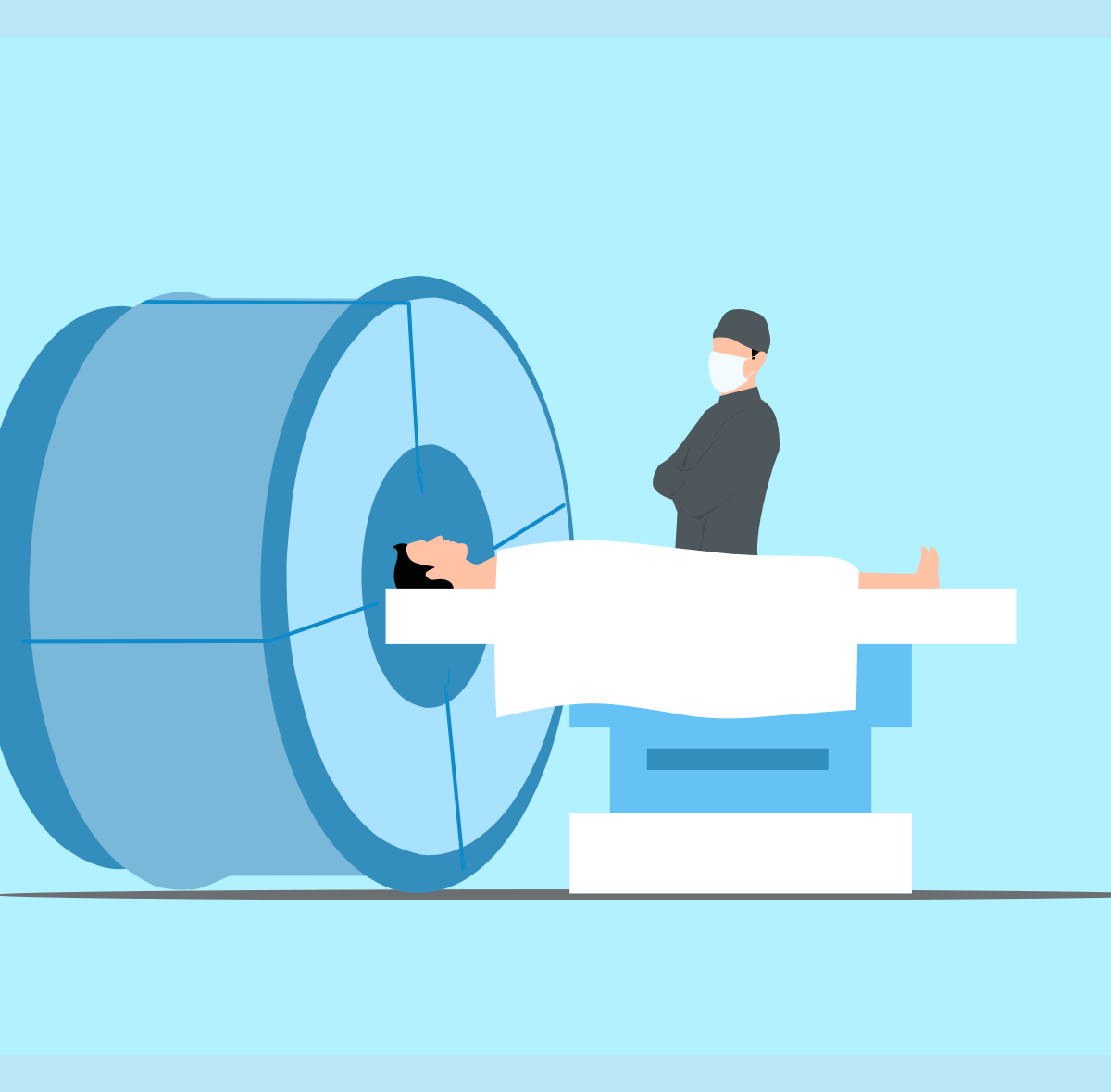
MRI machines are notorious among people with claustrophobia. The combination of a narrow tube, loud repetitive noise, and having to lie still for 30 minutes or longer is enough to make even people without a diagnosed phobia feel uneasy. Many imaging centers now offer open MRI machines or mild sedation specifically to accommodate patients who struggle with the enclosed design of a traditional scanner.
Notable Rescues in the News
Real-life stories about people trapped in confined spaces tend to capture public attention. The 2018 rescue of a youth soccer team trapped for more than two weeks in a flooded cave system in Thailand is one of the most widely covered examples in recent memory, drawing global attention to just how frightening — and survivable — being trapped can be.
Overcome Your Fear of Claustrophobia
Self-Help Techniques
Many people find relief from mild claustrophobia through simple, consistent self-help strategies:
- Practice slow, deep breathing before and during exposure to a triggering space
- Use grounding techniques, such as naming five things you can see and four things you can hear, to stay present
- Gradually expose yourself to small spaces in short, manageable increments, working up toward longer or more confined situations
- Bring a trusted friend or family member along during triggering situations, such as an MRI appointment
- Ask about accommodations in advance, like an open MRI machine or a seat near a window or exit
Professional Treatment
When claustrophobia starts disrupting work, travel, or medical care, professional treatment can help. Cognitive behavioral therapy (CBT) and exposure therapy are considered the most effective approaches, helping people gradually and safely confront their fear while learning to manage the physical symptoms of panic. A counselor can also help determine whether an underlying condition, such as panic disorder, is contributing to the fear. Support is available locally or through online therapy.
Disclosure: Some of the links in this post may be affiliate links, meaning we will receive compensation, at no extra cost to you, if you choose to make a purchase of a recommended product or service. We are independently owned and vet our partners thoroughly.
Related post links: Enochlophobia (fear of crowds), Aviophobia (fear of flying)