By: Jennifer Dubose
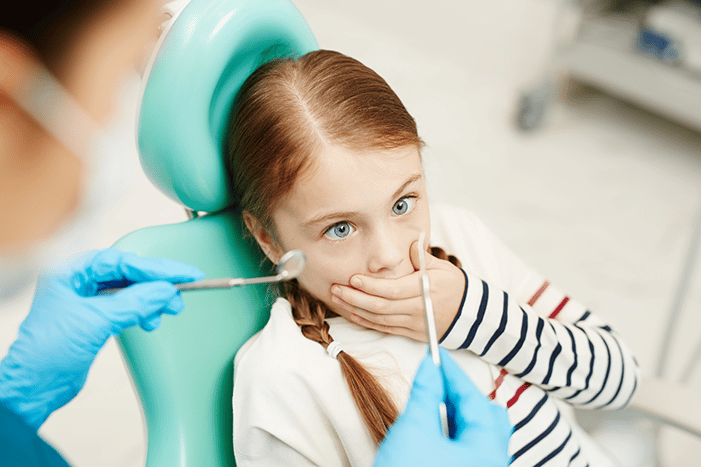
What is Dentophobia?
The face towering over you with its large magnifying glasses feels so cold and clinical. With every scrape of the tool against your teeth, you feel judgment boring through you. The smell of latex gloves fills your nostrils as you struggle to breathe with someone else’s hands in your mouth. Every moment is agonizing discomfort as you pray for the appointment to be over.
If the above scenario in a dentist’s office is a thing of nightmares for you, you may be struggling with Dentophobia (pronounced [Den-toe-fo-bee-ah]). Dentophobia is defined as the fear of dentists and/or having dental work done. It is also referred to as odontophobia (which is more closely associated with a fear of teeth). If you identify as a dentophobe you may be diagnosed with Other Situational Type Phobia — F40.248 (ICD 10 code).
Statistics
- 5–15% of adults have a severe fear of the dentist, and 3% will never see a dentist.
- 1 in 3 study participants suffered from a “pathologically severe fear of dental treatment.”
- In children, dental fear and anxiety can affect 5–20% of the population.
Why are People Afraid of Dentists?
Traumatic Childhood Experience
Difficult childhood dental experiences — painful extractions, outdated tooth-pulling techniques, or a long history of dental procedures — can lead to a conditioned fear that’s difficult to overcome as an adult.
Conditioned Response
Repeated negative experiences with dentists wear on you emotionally. The more you’re forced to see a dentist as a child, the more anxiety builds — and the more you long to avoid it as an adult.
The Instruments
Dental phobia may not stem from trauma but from the instruments themselves — masks, magnifying glasses, mirrors, probes, cheek retractors, and needles. The tools cause discomfort and can be fear-invoking, but they don’t have to be.
Embarrassment
Questions like “how often do you floss?” can trigger embarrassment. But dentists are professionals who have seen it all — cavities, dead teeth, root canals, gum disease. It’s more important to deal with the problem than avoid the embarrassment, since health can be at risk the longer dental care is delayed.
How to Overcome Dentophobia
- Meet with a dentist without having any procedures done (“pre-treatment conditioning”) — the goal is to become comfortable in the office, build rapport, and ease anxiety before any work is scheduled.
- Let the hygienist know if cleaning becomes painful, and agree beforehand on a signal to pause.
- Ask what tools are being used, what they’re for, and what to expect to feel.
- For fear of needles: ask that needles be kept out of your eyesight with warning before use; take deep breaths and have the dentist talk you through each step; familiarizing yourself with the needles ahead of time (even via photos) can help desensitize the fear.
- Practice good dental care (regular flossing) to reduce the number of visits and procedures needed.
- Choose the right dentist — some specialize in working with patients who have extreme dental phobia and go the extra mile with comfort measures (massage chairs, calming views, etc.).
How to Teach Your Child to Like the Dentist
- Help kids learn to brush early, and make caring for teeth fun.
- Start young: take children to a dentist who specializes in working with kids as soon as they have baby teeth.
- Don’t project your own fear onto your child — ask them about their own experience and relay concerns to their dentist.
- Use small rewards (a new toothbrush, a trinket) to build a positive association with dentist visits.
Professional Treatment
For more severe dentophobia, seek counseling — a therapist can help develop a plan to address dental fears and work toward comfort with dental visits. Online counseling for dentophobia is also an option.
Related post links: Somniphobia (fear of sleep), Enochlophobia (fear of crowds)