By: Jennifer Dubose
What is Somniphobia?
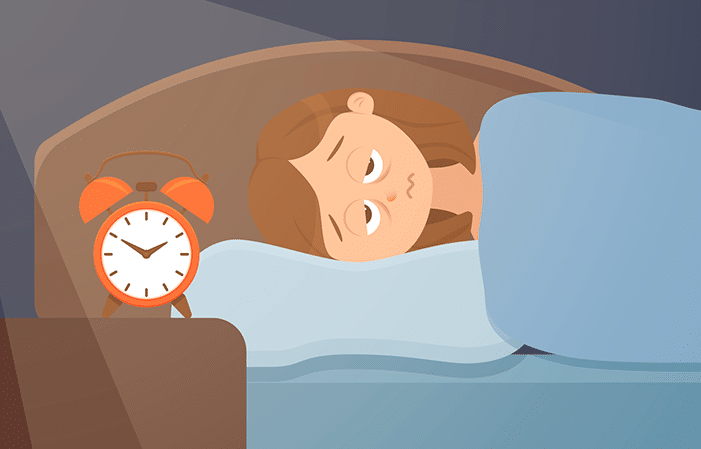
Somniphobia (pronounced [sohm-neh-fo-bee-ah]) is defined as an irrational or abnormal fear of sleep. You lie in bed, tossing and turning, unable to shut off your racing mind — or you fall asleep but can’t stay asleep, and find yourself awake all hours of the night. The anxiety related to sleep is so consuming that you spend your days exhausted.
Several diagnoses can affect sleep, including depression, anxiety, and PTSD. A couple most directly impact sleep itself — sleepwalking (F51.3) and sleep terrors (F51.4). Sleep Apnea, while not a mental health diagnosis, can also seriously affect sleep quality.
Sleep Statistics
- CDC research shows 50–70 million adults have a sleep disorder.
- According to the American Sleep Association, 30% of adults have dealt with insomnia.
- 3–7% of men and 2–5% of women suffer from sleep apnea — roughly 25 million adults in the US (American Academy of Sleep Medicine).
Why is Sleep Important?
Sleep is essential to life — the longest recorded time a human has lived without sleep was 11 days. During sleep the body is believed to repair neurons, build networks, increase cell production and protein creation, and support brain development. Sleep is closely tied to memory and cognitive functioning.
Why Are You Afraid to Sleep?
Physiological Reasons
Restless Leg Syndrome (RLS) — An irresistible urge to move one’s legs when trying to sleep, often described as a burning, tingling, or creeping sensation relieved only temporarily by movement. For primary RLS, there’s no known cause, but the physical response delays or prevents sleep.
Sleepwalking — Occurs during deep sleep, typically before REM. Can range from harmless (walking a short distance and returning to bed) to genuinely dangerous (falling, leaving the home, or otherwise being at risk while unconscious of it).
Sleep Apnea — The upper airway becomes repeatedly blocked during sleep, reducing or stopping airflow (obstructive), or the brain fails to send breathing signals (central) — meaning breathing literally stops for periods during sleep. CPAP machines are a common medical treatment.
Death — Fear of death (Thanataphobia) is closely related to Somniphobia; death is sometimes called “the big sleep.” Losing a loved one to Sudden Infant Death Syndrome (SIDS) or a death during sleep can create deep anxiety around sleep itself.
Psychological Reasons
Depression & Anxiety — Racing thoughts about the day’s events or worries can keep you lying awake, which in turn creates worry about not getting enough sleep — a self-perpetuating cycle.
Trauma — A past traumatic event (the original author describes losing her family’s home to a lightning strike at age 9) can resurface in the quiet of bedtime, sometimes developing into recurring nightmares.
Night Terrors/Nightmares — Sleep Terrors involve appearing awake and in visible fear (screaming, lashing out) early in the sleep cycle, with little to no memory afterward upon waking; these can occur alongside sleepwalking. Nightmares are far more common and can also create a fear of falling asleep.
Somniphobia Symptoms
- The inability to fall asleep when you go to bed
- The inability to stay asleep
- Excessive sleepiness during the day at work or school
- Inability to focus or complete a task
- Memory loss, short or long-term
- Severe mood swings or an inability to regulate emotions
- Lack of interest in things you normally enjoy
How to Overcome Your Fear of Sleep
- Identify the source of your fear — this is the essential first step to treating it.
- Basic sleep hygiene:
- Go to bed and get up at the same time every day to align with your circadian rhythm.
- Don’t use your bed for TV/zoning out — keep it associated primarily with sleep.
- If you can’t fall asleep within 10 minutes, get up and read or sit elsewhere until sleepy (American Sleep Association tip).
- Avoid caffeine within 4–6 hours of bedtime, and evaluate whether you need it at all.
- Do something relaxing before bed to enter a calm state of mind.
- Avoid naps — they can make it harder to get a full night’s sleep.
- Seek medical treatment for physiological causes (sleep apnea, RLS, etc.) — a sleep study can help pinpoint the exact issue.
- Process grief or trauma if fear of death or loss underlies the sleep anxiety — talking to a friend or professional can help.
- Consider therapy (in-person or online) such as cognitive behavioral therapy for psychological causes.
Disclosure: Some of the links in this post may be affiliate links, meaning we will receive compensation, at no extra cost to you, if you choose to make a purchase of a recommended product or service. We are independently owned and vet our partners thoroughly.